About
Veronica Jang
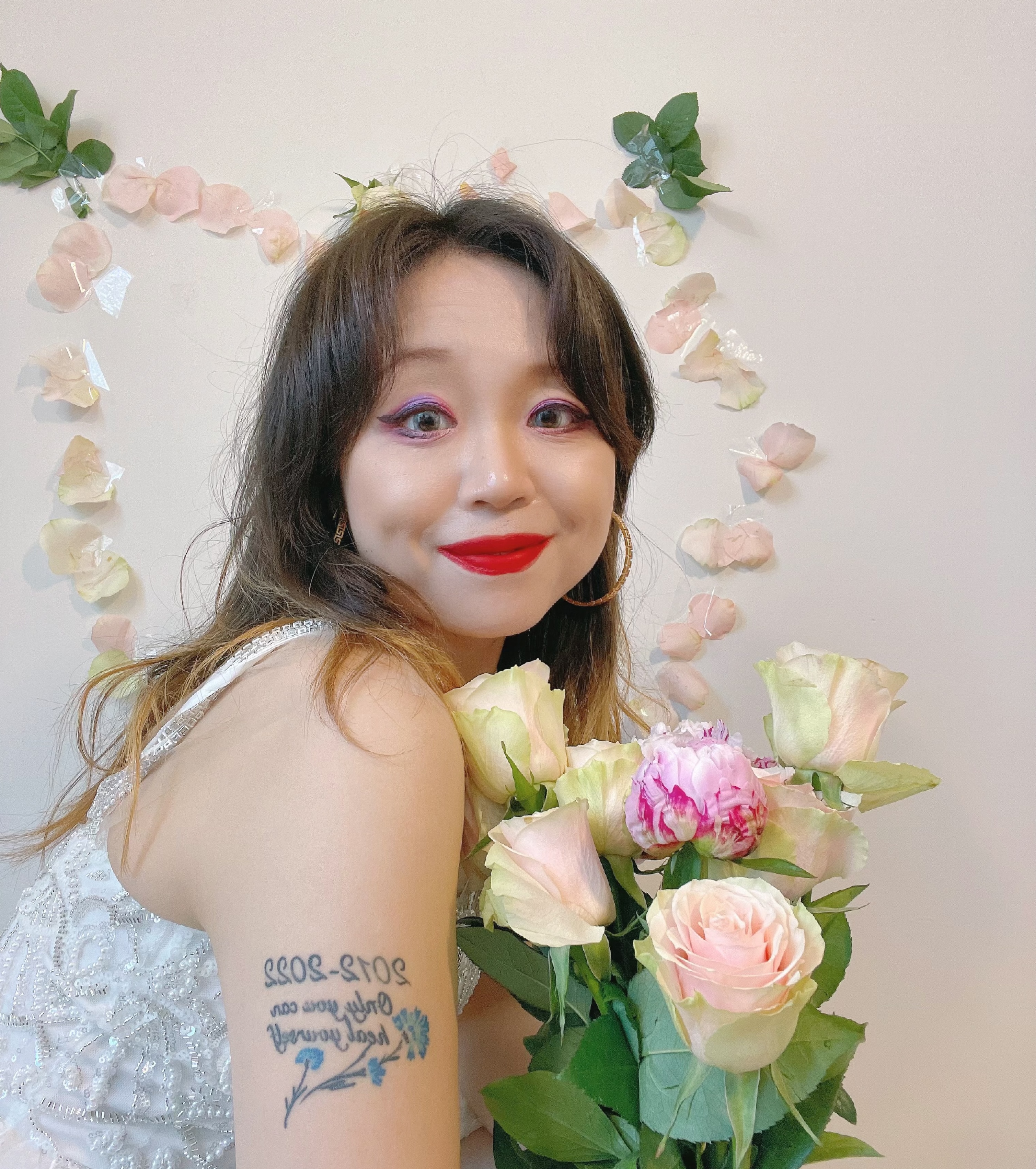
Veronica Jang is a composer, pianist, and vocalist from Inner Mongolia, whose work is guided by the belief that music possesses transformative and healing power. Her music explores cultural identity, memory, nature, and the relationship between traditional musical languages and contemporary sound. Drawing from her Mongolian heritage and a wide range of international musical traditions, she creates spacious, atmospheric sonic landscapes that invite listeners into worlds of reflection, emotional resonance, and cross-cultural connection.
Early life
Her musical gifts emerged at an early age. Recognizing her perfect pitch and exceptional sense of rhythm, her piano teacher encouraged her talent, and her mother made a profound sacrifice by investing her entire savings to purchase a piano when Veronica was just five years old. That pivotal act ignited a lifelong devotion to music and laid the foundation for her artistic path. Classically trained as a pianist from childhood, she developed a deep sensitivity to melody, color, and expressive nuance that continues to shape her compositional voice.
Excellence became a defining characteristic of her early years. She excelled academically and distinguished herself as a pianist, yet at her parents’ encouragement she pursued a degree in Civil Engineering. Even then, music remained at the center of her life. During her undergraduate years, she immersed herself in literature, singing competitions, and artistic exploration, discovering the extraordinary power of music and words to move people, strengthen communities, and inspire meaningful change.
Decide her own life
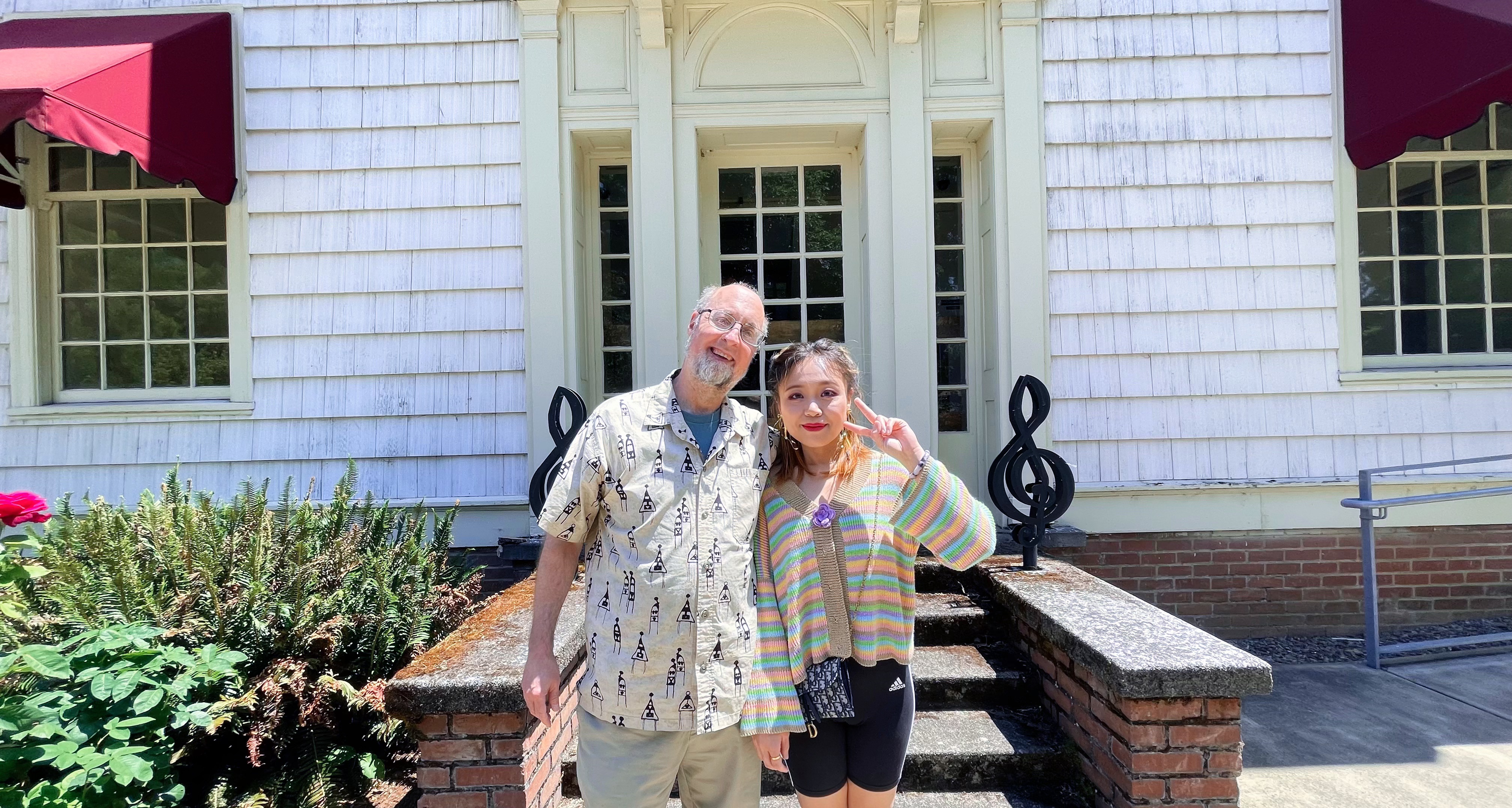
In 2018, Jang began pursuing composition seriously. She later continued her musical education in the United States, where she studied composition under David Crumb , son of the Pulitzer Prize-winning composer George Crumb . Her experiences living and studying in the United States profoundly shaped her artistic perspective, deepening her interest in cultural displacement, belonging, memory, and the dialogue between different musical traditions.
Finding her own “voice”
Jang believes that contemporary classical music can speak beyond academic circles. She has observed how much of new music often circulates within specialized musical communities, and she is committed to creating works that connect deeply with listeners of all backgrounds. Her music seeks to bridge cultures, traditions, and audiences through lyrical expression, emotional honesty, and accessibility without sacrificing artistic depth.
Her compositional language is characterized by lyrical melodies, spacious textures, sustained sonorities, and evocative instrumental colors. Influenced by the folk traditions of Mongolia, she frequently employs modal inflections, organic pacing, and gestures inspired by wind, water, grasslands, and vast natural landscapes. Rather than emphasizing soloist and accompaniment, she often treats instruments as equal voices in conversation, allowing sound to unfold with the fluidity of a living environment. Her works blur the boundaries between intimate chamber writing and cinematic expansiveness, balancing emotional transparency with meditative stillness and vivid dramatic power.

Inspirations from …
Nature plays a central role in her artistic imagination. The open grasslands of Inner Mongolia, memories of migration and distance, and the experience of existing between cultures frequently appear as underlying forces in her music. Through these elements, she transforms cultural memory and landscape into contemporary musical experiences that explore both personal and collective identity.
For Jang, music is more than an art form; it is a bridge between cultures, a language of healing, and a space where memory, imagination, and belonging can coexist. Her works invite listeners not only to hear sound, but to inhabit an emotional landscape shaped by tradition, movement, and human connection.

Music is a bridge to connect us
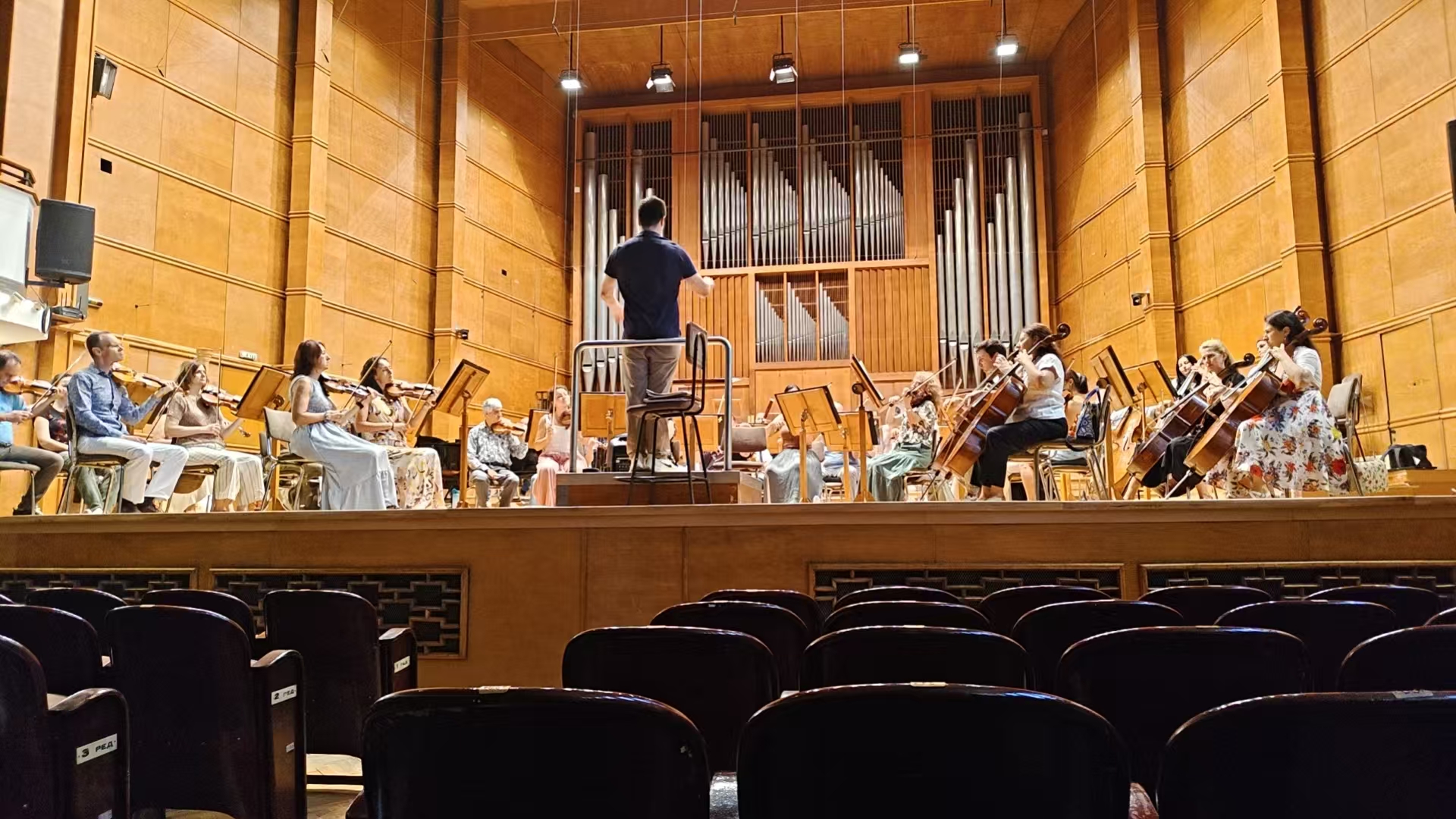
Her music has been presented internationally in the United States and Europe. Her compositions have been performed by a lot of amazing groups, such as, the MoVE Modern Violin Ensemble, the Delgani String Quartet and Piano 4×5. In 2026, her violin ensemble Gobi—Desert Splendor was commercially released on an album by the MoVE Modern Violin Ensemble, and her orchestral work – Dream is The Start of Light I.SoCal Lullaby was performed by the Sofia Philharmonic in Bulgaria.

