Gobi – Desert Splendor
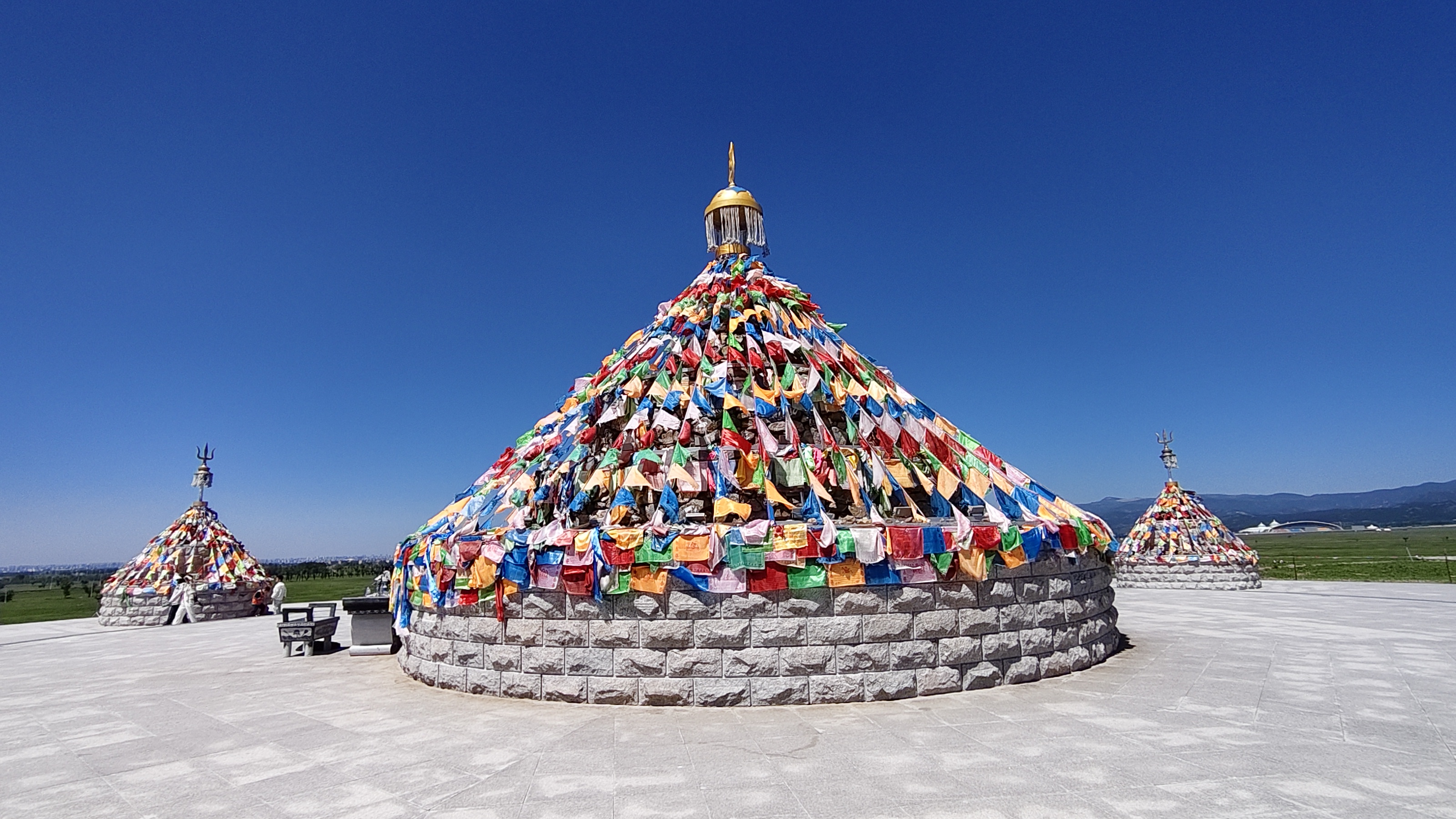
Gobi-Desert Splendor is a string ensemble work for four violins, commissioned by MoVE Modern Violin Ensemble. Inspired by the vast landscapes and musical traditions of Mongolia, the piece incorporates elements of Mongolian music, including the expressive tradition of the urtiin duu (Mongolian long song), into a contemporary Western string setting.
The four violins are transformed into a collective sound world that evokes the texture and resonance of the morin khuur, the traditional Mongolian horsehead fiddle. Through sustained tones, open sonorities, and spacious gestures, the music seeks to capture the expansive atmosphere of the grassland—the sense of distance, wind, memory, and boundless space that lies at the heart of the Gobi landscape.
Petals
“Petal” is a composition born from the serene ambiance of a spring day walk amidst cherry trees with my dog. The gentle breeze carrying petals created a mesmerizing scene as my dog playfully ran under the trees, responding with a smile to my call. This enchanting moment became the inspiration for the composition.
Dream Back to Gobi
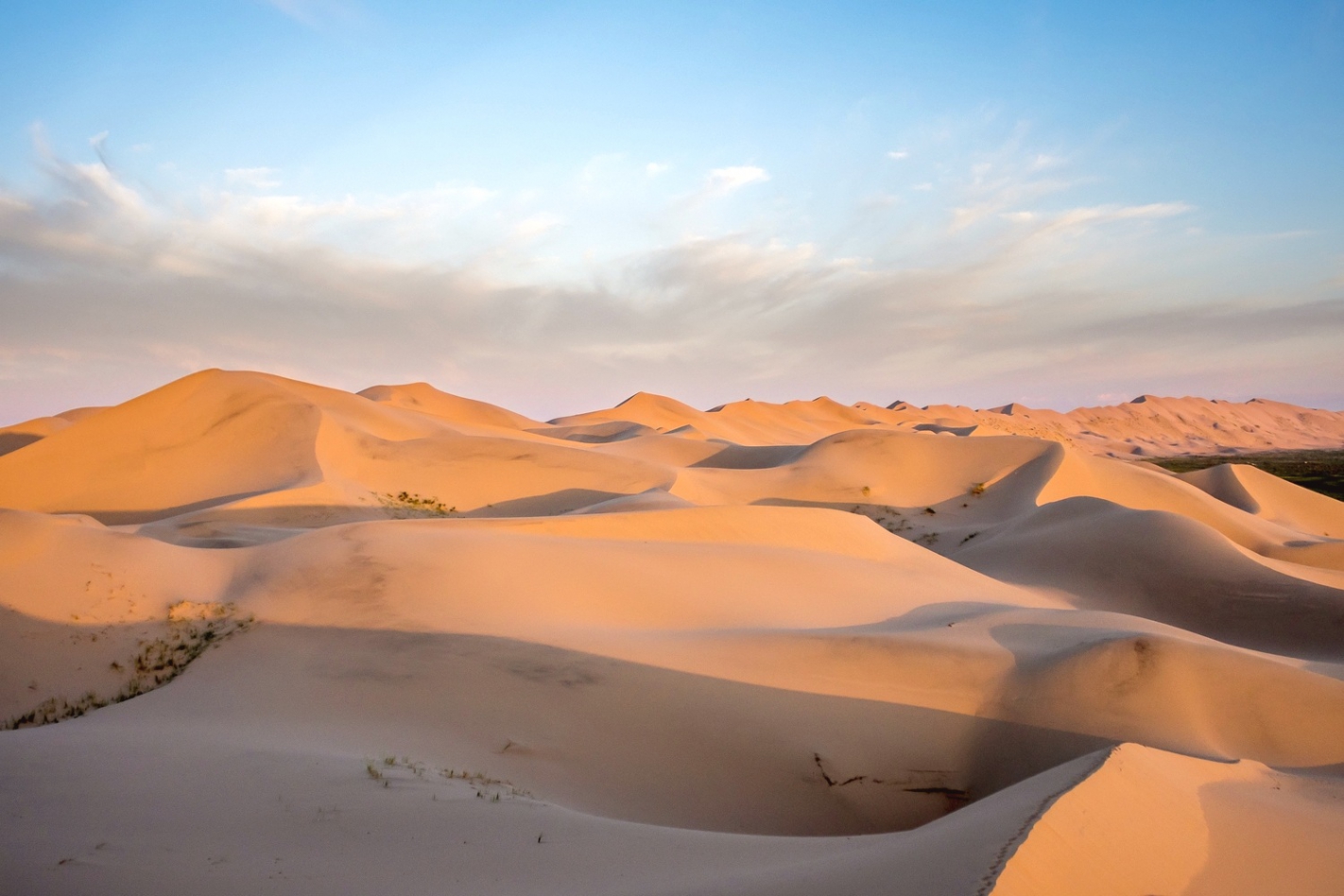
Dream Back to Gobi was composed during the pandemic, a time when distance and isolation deepened my longing for my hometown. The piece is a musical journey back to the Gobi Desert, shaped by memories of its vast landscape and the elements that have always surrounded me: the restless wind, drifting sand, boundless sky, and expansive air.
Written for flute, oboe, B-flat clarinet, conga drum, cabasa, glockenspiel, two violins, and cello, this large chamber work explores the contrast between intimacy and vastness. Through delicate textures, rhythmic gestures, and spacious sonorities, the music recreates an imagined landscape—part memory, part dream—where the physical distance from home dissolves and the Gobi returns through sound.
Facing the Sea with Spring Blossoms
is a small chamber work for flute, cello, horn, and piano, inspired by the poem of the same title by Chinese poet Hai Zi.
I first encountered the poem when I was around sixteen. At the time, I did not fully understand its meaning, but its words left me with a gentle, almost bittersweet feeling. Years later, after living abroad and experiencing the unexpected lessons that life brought me, I began to understand the poem in a much deeper way.
This piece is, in many ways, a conversation between my younger self and the poet—a dialogue across time, distance, and experience. What once felt like an innocent dream has gradually taken on new meanings through the life I have lived. The music reflects this journey: from youthful tenderness and longing toward a quieter understanding of love, life, and the meaning of finding peace within oneself.
A Late Spring Day
A Late Spring Day is a woodwind trio for flute, English horn, and B-flat clarinet.
The piece was born on a late spring day in Oregon. While walking beneath the warm sunlight with my dog, I paused to breathe in the fresh air and take in the quiet beauty of the surrounding landscape. Surrounded by trees, sunlight, and the gentle presence of nature, the music came to me naturally, almost as if it had always been there.
Rather than portraying a specific scene, the piece captures a fleeting moment of connection with nature—the warmth of the sun, the movement of the air, and the peaceful rhythm of an ordinary spring day.
Spring Rising Sun
Spring Rising Sun is a piano solo that emerged while I was studying Olivier Messiaen’s modes of limited transposition. Rather than strictly following Messiaen’s system, I experimented freely with two or three of the modes, combining and transforming them to discover my own harmonic language.
From this process, Spring Rising Sun was born. The piece explores the freshness, warmth, and quiet radiance of spring as the sun rises, while the modal materials create a sense of color and timelessness. What began as a study of Messiaen’s harmonic language gradually became something more personal—a moment where experimentation gave way to intuition, and a new musical landscape began to emerge.
A Daydream to the Silk Road
A Daydream to the Silk Road is a duo for oboe and percussion, inspired by the ancient Silk Road and the musical memories of my childhood.
The melodic language grew from what I heard, absorbed, and experienced while growing up—fragments of sounds, melodies, and musical gestures that remained in my memory over the years. Rather than attempting to recreate a historical soundscape, the piece reflects my personal imagination of the Silk Road: a journey shaped by memory, cultural encounters, and the traces of distant places carried through generations.
The music is therefore less a depiction of the Silk Road than a daydream about it—a landscape remembered through the ears and imagination of a child.
Birds
Birds is a three-movement solo work for flute, inspired by the birds I encountered in the park where I often walked my dog.
Their songs and calls became a familiar part of my daily surroundings—their voices drifting through the trees as they seemed to sing, respond, and speak to one another beneath the sunlight. I became fascinated by the spontaneity and liveliness of these sounds, and began to imagine their conversations through the flute.
Each movement captures a different aspect of this imagined world of birds: their calls, interactions, movement, and moments of stillness. Rather than imitating birds literally, the piece transforms the memory of their sounds into a playful and expressive musical language.
Nostalgia
Nostalgia is a trio composed during the pandemic, a period marked by isolation, uncertainty, and a deep longing for places and memories from the past.
The piece holds a particularly important place in my compositional journey, as it was the first work in which I consciously incorporated elements of Mongolian musical traditions. Through these musical materials, I began exploring my own cultural identity and the memories connected to where I came from.
Nostalgia is not simply a longing for a particular place or time. It reflects the feeling of looking back while standing in the present—the distance between memory and reality, and the desire to reconnect with something that remains deeply rooted within us.

